
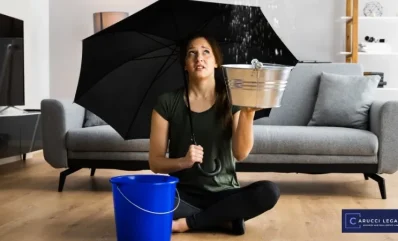

If you’re a renter in California and discover a water leak or the presence of any mold in your home, taking the right steps quickly is crucial to protect your health, ensure repairs are made in a timely fashion, and to preserve your legal rights. Here’s what you should do:
1. Report the Issue to Your Landlord Immediately (In Writing)
- Notify your landlord/property manager ASAP—verbal (phone) is good, but in writing (email, text, or certified mail) is better. California law (Civil Code § 1941.1) requires landlords to provide habitable housing, which includes effective waterproofing and fixing landlord-responsible leaks and mold hazards.
- Be specific: Describe the location and severity of any leaks or damage, including any visible mold.
- Keep a copy of all communications for your records.
What to Include in Your Written Notice
A clear notice makes it harder for a landlord to claim they did not know about the problem. Include:
- The date you first noticed the leak or mold.
- The exact location (for example, “ceiling above the kitchen sink” or “behind the bathroom vanity”).
- A short description of the damage and whether water is still actively leaking.
- Photos or videos attached to the message.
- Any health symptoms you or your household have experienced.
- A request for repair by a specific, reasonable date and your availability for access. Landlords generally must give written notice before entering, and 24 hours is presumed reasonable (Civil Code § 1954).
2. Document the Problem Thoroughly
Strong documentation supports your repair request, an insurance claim, and any legal action later.
- Take dated photos and videos of leaks, water damage, and mold, and repeat them as the problem changes.
- Note when you first noticed the problem and when any health symptoms began.
- Save repair records: estimates, bids, invoices, and every related email, text, and letter.
- List damaged personal property (furniture, clothing, electronics) with approximate value and photos.
- Keep copies of any inspection reports, including code enforcement findings or a mold inspection from a certified professional.
- Keep medical records and receipts if mold exposure affects your health.
3. Understand Your Landlord’s Responsibilities
Under California law:
- Landlords must fix leaks, plumbing problems, and mold caused by structural issues, such as roof leaks or broken pipes.
- Landlords must address mold that violates health and safety standards.
- If you caused the damage (for example, by not ventilating or not reporting problems promptly), the landlord may seek reimbursement for cleanup. California tenants also have their own upkeep duties under Civil Code § 1941.2. Learn more about when landlords can withhold security deposits.
California’s substandard housing law, Health & Safety Code § 17920.3, lists “visible mold growth,” as determined by a health officer or code enforcement officer, as a condition that can make a dwelling substandard. Minor mold on surfaces that normally get wet, such as a shower tile, is excluded.
Who Is Responsible for Water Damage in a Rental Property?
Responsibility for water damage in a rental property usually depends on where the water came from and whether anyone was negligent:
| Source of the leak | Who is usually responsible |
| Roof leak, failed waterproofing, broken or aging pipes | Landlord (structural and habitability duty) |
| Leak from an upstairs unit | Landlord must repair your unit; the upstairs tenant may be liable if their negligence caused it |
| Tenant overflow (bathtub, sink) or failure to report a known leak | Tenant may be responsible for repair and cleanup costs |
| Common-area leak in a condo or HOA building | HOA may be responsible to the unit owner; your landlord still owes you a habitable unit |
| Storm or flood damage | Landlord repairs the structure; tenants rely on renters insurance for belongings |
If you rent in a condominium, the leak may come from HOA-maintained common elements. See our guide on rain damage and HOA negligence and how an Irvine HOA disputes lawyer can help owners recover repair costs.
Water Damage in an Apartment and Mold: Why Speed Matters
A slow leak behind a wall or under a cabinet can create water damage in an apartment that spreads mold before anyone sees it. Ongoing moisture can also weaken subflooring, damage wiring, and attract pests. That is why prompt reporting matters for both your health and your legal position: a landlord can argue that a tenant who waited too long contributed to the damage.
4. If the Landlord Doesn’t Respond or Fix the Issue:
- Send a follow-up written notice (give a reasonable deadline depending on the urgency of the situation and work to be completed).
- Contact local code enforcement or health department if the mold is severe. Cities like Los Angeles and San Francisco have strict mold regulations and may be able to serve as an additional resource for you moving forward.
- Withhold rent or repair-and-deduct (CA Civil Code § 1942):Withholding rent is risky and can lead to an eviction case, so talk to a lawyer first. For repairs that cost up to one month’s rent, you may be able to pay for the repair and deduct it from rent after giving proper notice and a reasonable time to fix it. This remedy can be used no more than twice in any 12-month period, and your lease terms still matter.
- Break the lease (if uninhabitable): If the landlord refuses to fix serious mold/water damage that renders the property uninhabitable, a tenant may have the right to move out without penalty for breaking the lease early, but this is not without risk, so you should consult a lawyer first.
- You are protected from retaliation. If your landlord raises rent, reduces services, or tries to evict you within 180 days of a good-faith repair request or code complaint, the law presumes retaliation (Civil Code § 1942.5).
How Long Does a Landlord Have to Fix a Leak or Mold?
California law does not set one fixed deadline for every repair. Civil Code § 1942 presumes 30 days is a reasonable time after written notice, but a shorter period can be reasonable when the problem is urgent. As a general guide:
| Type of problem | General expectation (not a statutory deadline) |
| Emergency: burst pipe, flooding, sewage backup | Immediate response to stop the water |
| Active leak affecting habitability (roof, plumbing) | Prompt repair, typically within days |
| Visible mold or persistent dampness | Prompt inspection, moisture-source repair and remediation |
| Minor, non-urgent issues (small drip, stain) | Within a reasonable time; 30 days is presumed reasonable |
5. Consider Legal Action if Necessary
- Small claims court: Renters in California may take landlords to small claims for reimbursement of a variety of items, including medical bills, damaged belongings, or rent refunds (small claims relief is capped at $12,500 in CA and parties are typically not represented by counsel).
- Tenant rights organizations: Groups like BASTA (LA), Tenants Together (CA), or SF Tenants Union may offer free advice pertinent to your situation.
- Personal injury claim (if mold caused health issues): A lawyer may be able to negotiate a resolution short of escalation, particularly if landlord’s negligence can be proven.
- Habitability defense to eviction. If a landlord files an eviction case while serious habitability problems go unrepaired, those conditions can be raised as a defense (Code of Civil Procedure § 1174.2).
- Mediation. Many disputes over repairs, rent reductions, and deposits settle faster through mediation or other alternative dispute resolution.
Depending on the facts, recoverable losses can include rent reduction for the period the unit was not fully habitable, damaged personal property, medical expenses, and temporary relocation costs. Because a lease is a contract, a landlord’s failure to make required repairs may also support a breach of lease claim.
6. Protect Your Health in the Meantime
Depending on the facts, recoverable losses can include rent reduction for the period the unit was not fully habitable, damaged personal property, medical expenses, and temporary relocation costs. Because a lease is a contract, a landlord’s failure to make required repairs may also support a breach of lease claim.
Key California Laws Protecting You:
- Implied Warranty of Habitability (Civil Code § 1941.1): your landlord must maintain a livable space, including waterproofing and working plumbing.
- Retaliation Protections (Civil Code § 1942.5): your landlord cannot evict you or punish you for demanding repairs.
- Repair and Deduct (Civil Code § 1942): limited self-help remedy, up to one month’s rent, twice in 12 months.
- Substandard Housing (Health & Safety Code § 17920.3): visible mold growth can make a unit substandard.
- Mold Disclosure (Health & Safety Code § 26147): landlords must disclose known mold that exceeds permissible exposure limits or poses a health threat.
- Landlord Entry (Civil Code § 1954): reasonable written notice, presumed to be 24 hours, before entering for repairs.
- Security Deposits (Civil Code § 1950.5): landlords may deduct only for damage beyond ordinary wear and tear and must itemize within 21 days of move-out.
For Landlords and Property Owners: Preventing and Detecting Water Leaks in Rental Properties
Water damage in a rental property is one of the most common sources of tenant complaints, insurance claims, and habitability disputes. For owners, the best legal protection is a documented system that catches leaks early and fixes them fast.
Multifamily Rental Property Water Leak Prevention
In multifamily buildings, one failed supply line can damage several units through shared walls and ceilings. Effective multifamily rental property water leak prevention includes:
- Scheduled plumbing inspections by a licensed professional, including water heaters, supply lines, and shutoff valves.
- Proactive replacement of aging hoses, valves, gaskets, and toilet flappers before they fail.
- Seasonal roof, gutter, balcony drain, and HVAC condensate-line checks, especially before the rainy season.
- A simple tenant reporting process for drips, damp spots, stains, or musty odors, with written acknowledgment of every report.
- Lease clauses that require prompt reporting of leaks and set out access procedures for repairs.
Short-Term Rental Water Leak Prevention
Short-term and vacation rentals often sit empty between guests, so a small leak can run for days. Short-term rental water leak prevention should include:
- A between-stay checklist covering under-sink cabinets, toilets, water heaters, and appliance hoses.
- Remote leak sensors and a smart shutoff valve so you can stop water from your phone.
- Clear house rules and a way for guests to report leaks immediately.
- Reviewing your insurance to confirm short-term rental use and water damage are covered.
Reducing Your Legal Exposure as a Landlord
Respond to every leak or mold report in writing, keep maintenance and remediation records, provide required mold disclosures, and use qualified remediation professionals. Well-drafted leases and documented processes make it easier to show you met your habitability duties if a dispute arises. Our real estate contracts team can help owners review leases and maintenance provisions
What Not to Do:
- Don’t ignore the problem. Mold spreads, and liability can shift if issues are not reported promptly.
- Don’t stop paying rent without taking the proper legal steps and giving your landlord a reasonable chance to fix the problem.
- Don’t attempt major mold removal yourself. The landlord should hire certified specialists and provide proof the property is safe.
- Don’t paint over or bleach large mold areas. This can hide the problem without fixing the moisture source and can destroy evidence.
- Don’t refuse reasonable access for inspections and repairs after proper notice.
FAQs
How Long Does a Landlord Have to Fix a Water Leak in California?
California presumes 30 days after written notice is a reasonable time for repairs under Civil Code § 1942, but urgent problems require faster action. A burst pipe, active roof leak, or spreading mold that affects habitability should be addressed as soon as possible. Always give notice in writing so you can prove when the repair clock started.
Is My Landlord Responsible for Mold Caused by Water Damage in My Apartment?
Yes, in most cases. If water damage in your apartment comes from a roof leak, plumbing failure, or other structural problem, your landlord is generally responsible for fixing the leak and the resulting mold. Visible mold can make a unit substandard under Health & Safety Code § 17920.3. If tenant negligence caused the damage, the tenant may be responsible.
Can I Withhold Rent Because of Mold or Water Damage in California?
Possibly, but it is risky. California recognizes a habitability defense when a unit has serious defects, and Civil Code § 1942 allows repair-and-deduct for repairs up to one month’s rent, twice in 12 months. Withholding rent incorrectly can lead to an eviction case, so give written notice, document everything, and speak with a lawyer first.
Who Pays for My Belongings Damaged by a Water Leak in a Rental Property?
It depends on the cause. A landlord’s insurance usually covers the building, not a tenant’s belongings, so renters insurance is often the first source of payment. If the landlord ignored a known leak or failed to make timely repairs, you may be able to recover the value of damaged property from the landlord, including through small claims court.
How Can Landlords Prevent and Detect Water Leaks in Multifamily Rental Properties?
Landlords can prevent and detect water leaks in multifamily rental properties with scheduled plumbing inspections, proactive replacement of aging hoses and valves, wireless leak sensors in high-risk areas, and automatic shutoff valves. A written tenant reporting process and documented repair logs also help catch leaks early and show the owner met habitability duties
Talk to a California Real Estate Lawyer
Water leaks and mold can affect your health, your belongings, and your rights under your lease. If your landlord refuses to act, contact local legal aid or schedule a consultation with Carucci Legal to understand your options. Property owners facing a water damage or mold dispute can also speak with our Irvine real estate lawyer about reducing risk and resolving claims.


